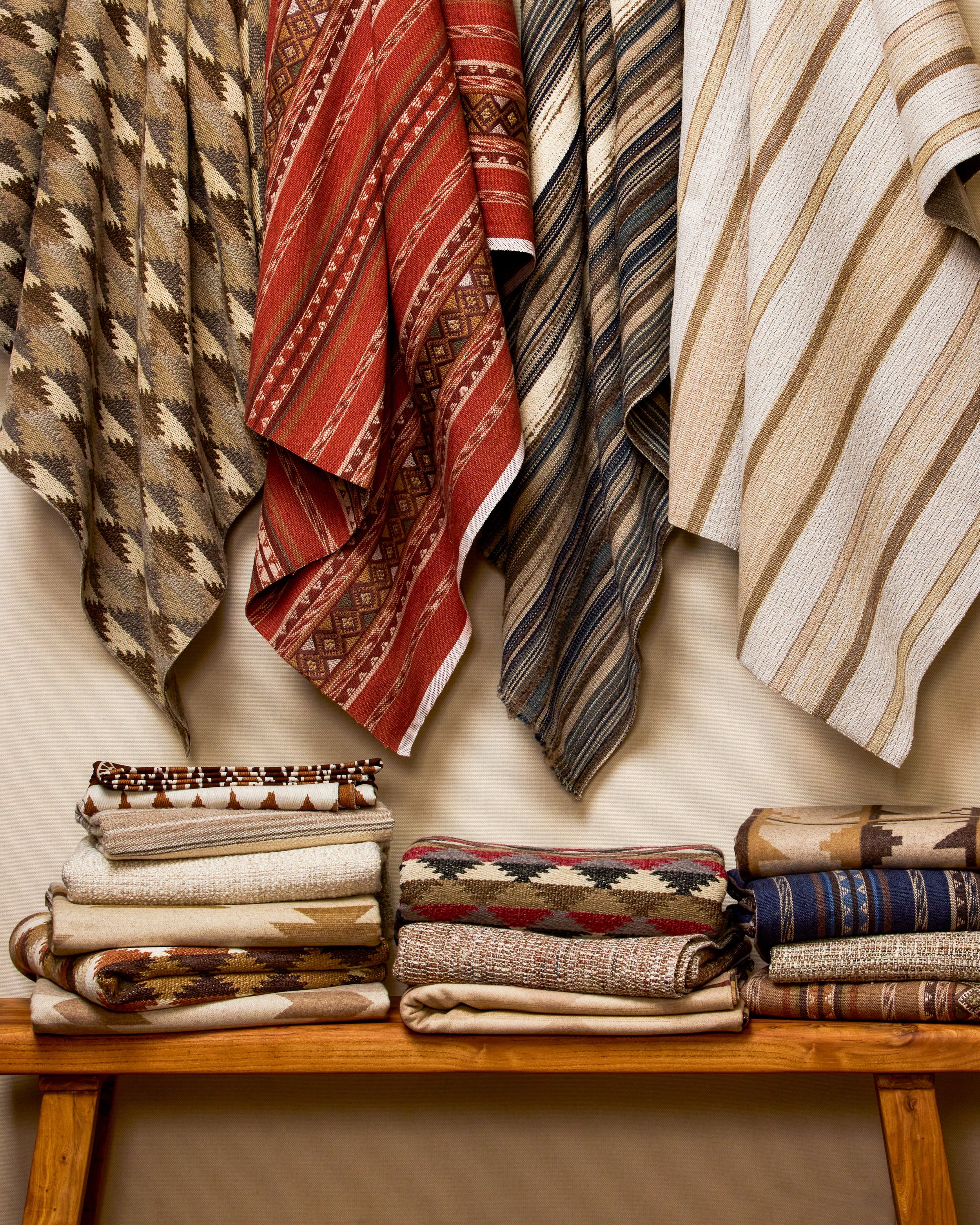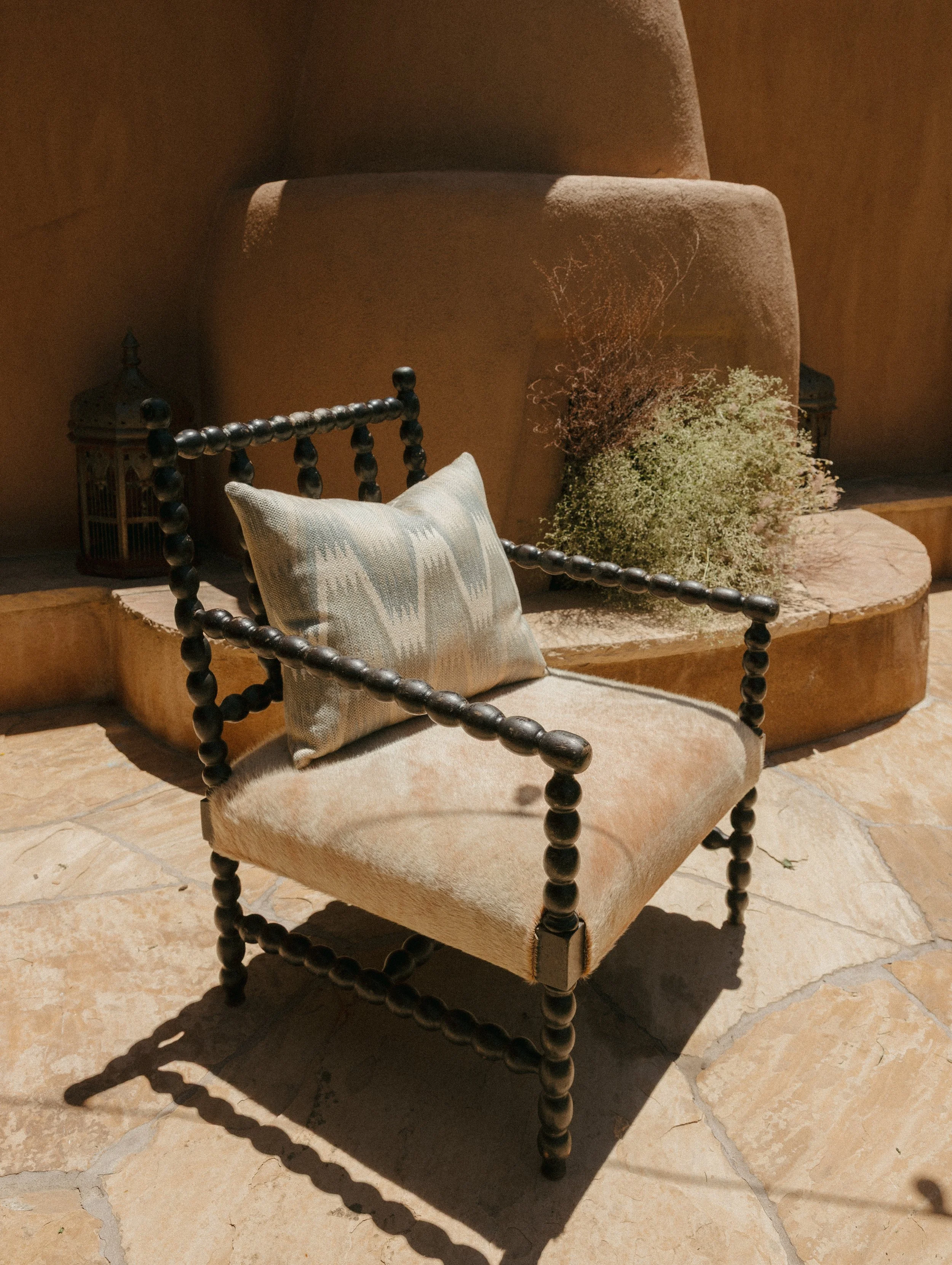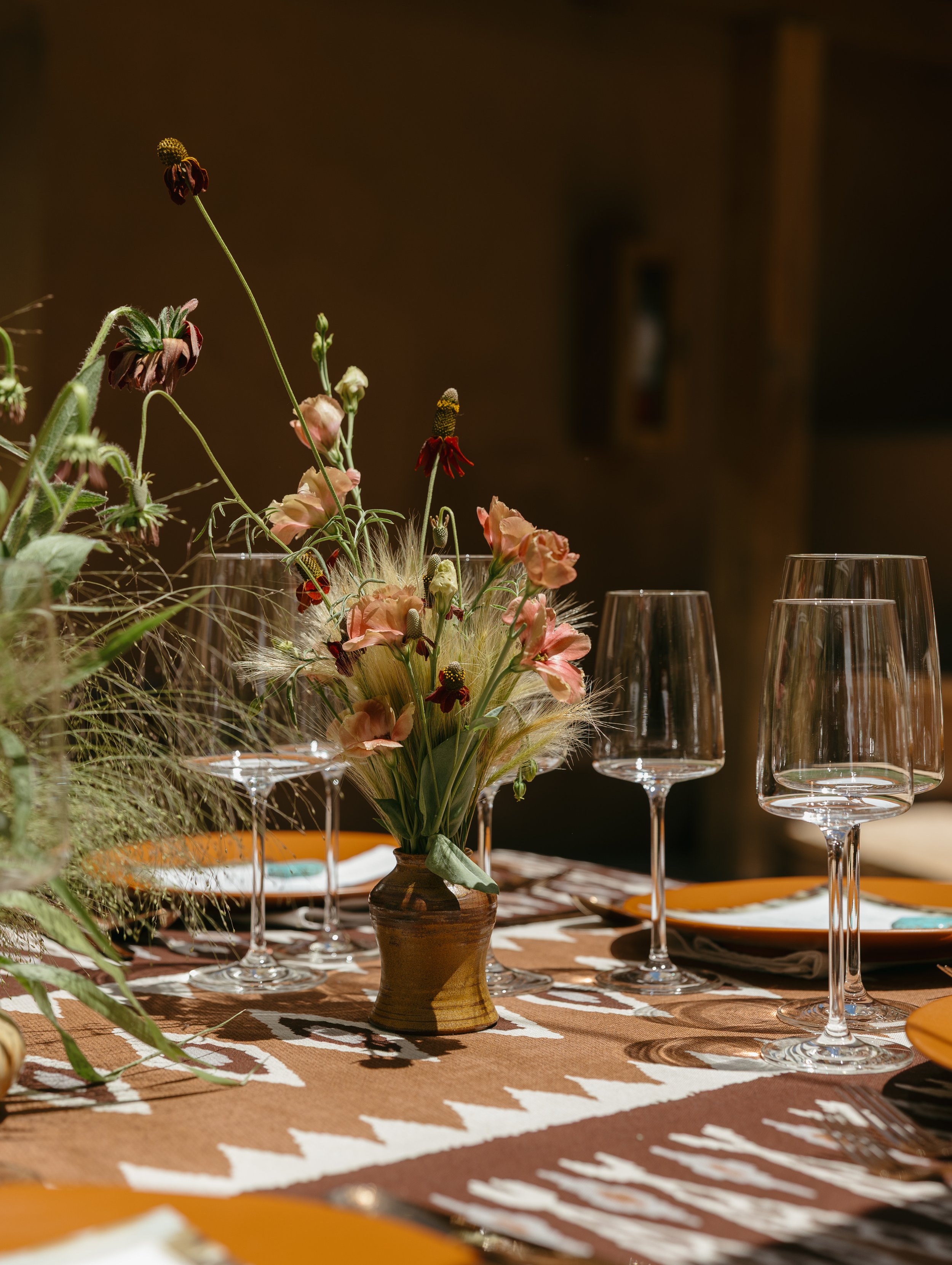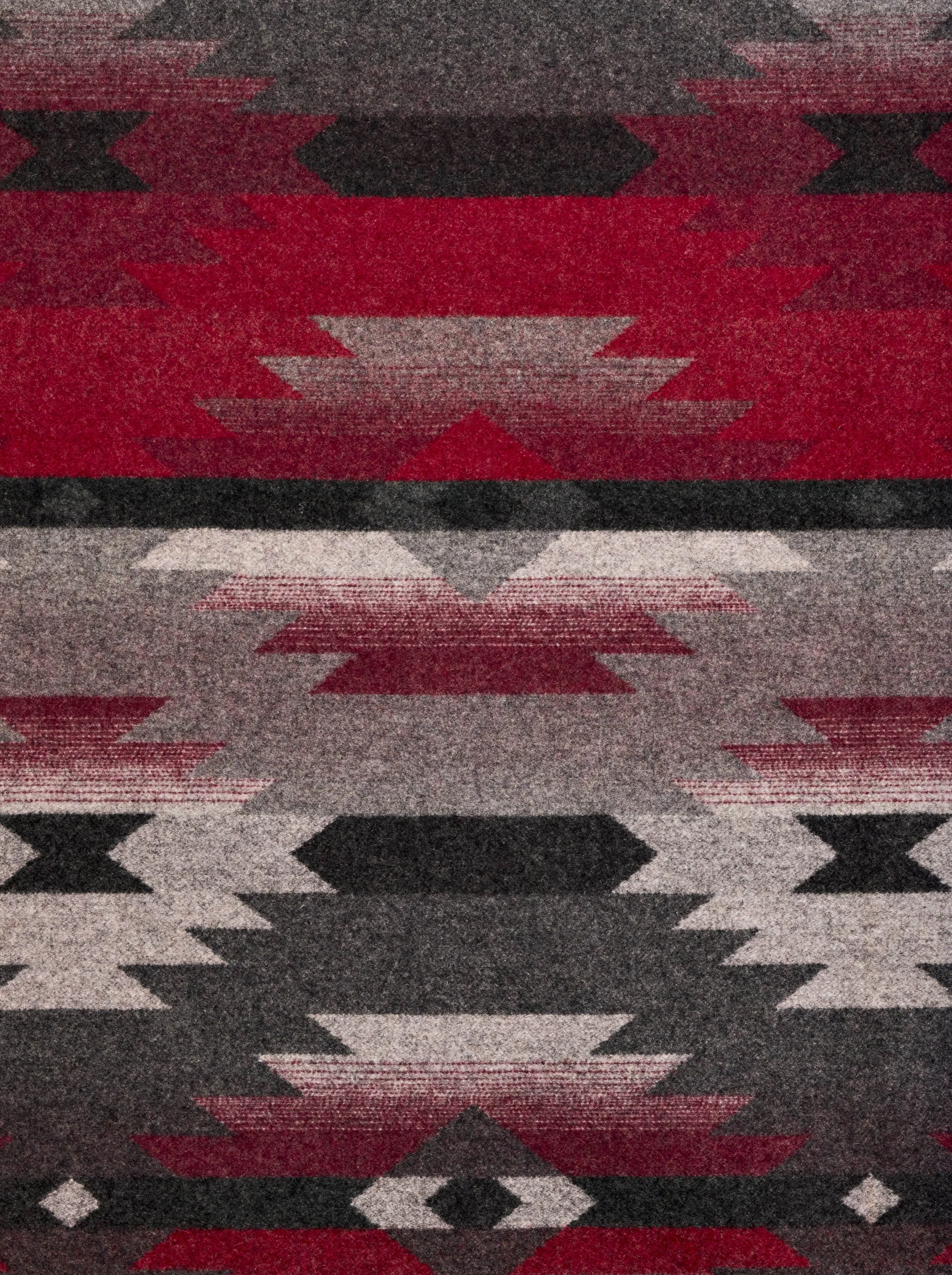
The Folk Art Collection: Traditions Made Modern
Since signing our licensing agreement with Kravet Fabrics—the largest distributor of residential textiles in the United States—in 2000, the Museum of New Mexico Foundation has partnered with Kravet to introduce a series of highly successful textile collections inspired by the holdings of the Museum of Indian Arts and Culture and the Museum of International Folk Art. Together, these collaborations have demonstrated how museum collections can thoughtfully and responsibly inform contemporary design—bridging cultural stewardship with commercial innovation.
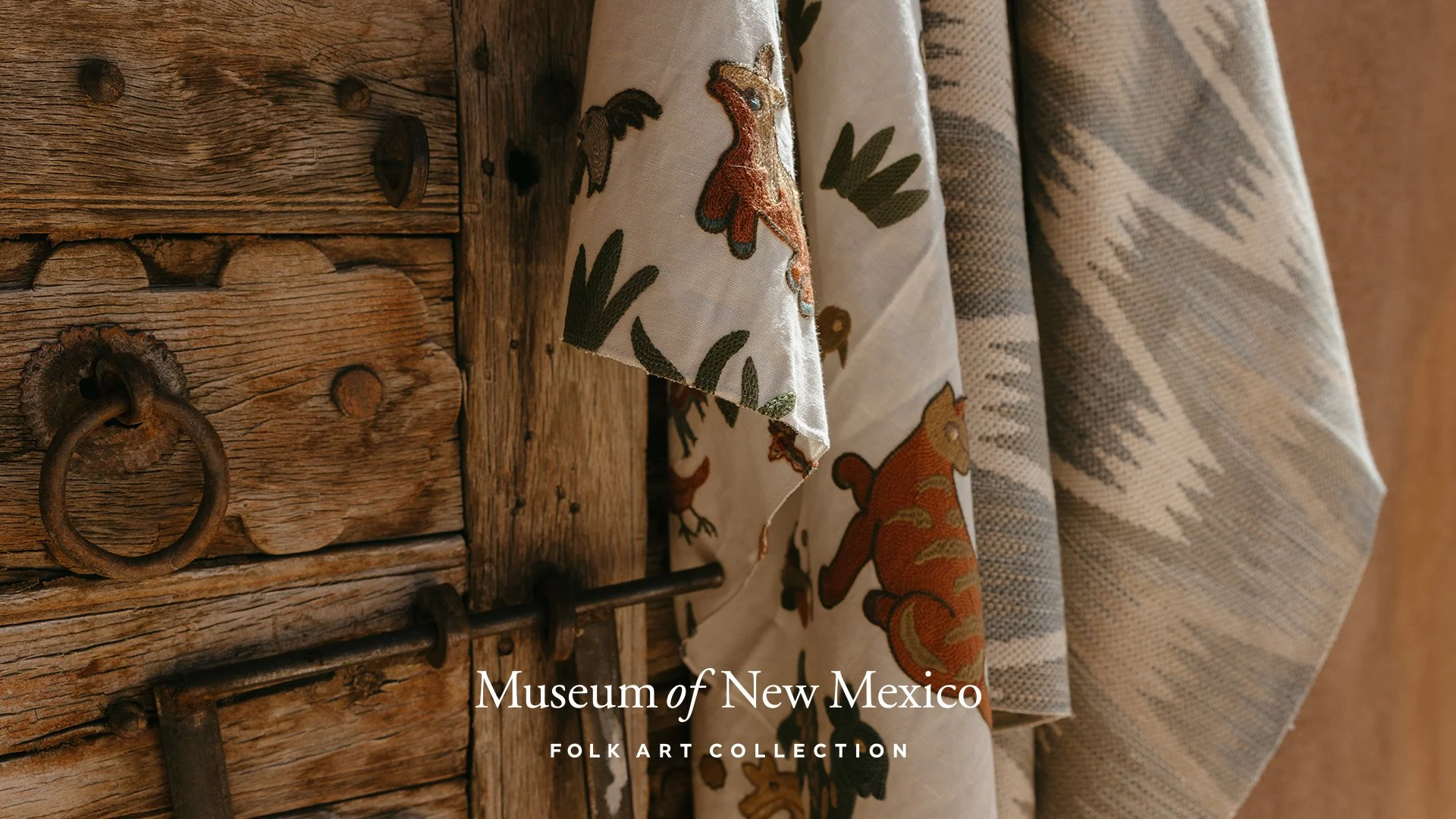
The Folk Art Collection marks our fifth collaboration with Kravet Fabrics. It draws from the extraordinary textile holdings of the Museum of International Folk Art, one of the world’s most comprehensive ethnographic collections, representing textiles and traditional dress from cultures across six of the seven continents. The scope and depth of this collection place it among the most significant of its kind globally. The name Folk Art Collection reflects both the breadth of cultural traditions represented and the enduring relevance of vernacular design languages across time and geography.
Work on the collection began in 2022 with an in-depth research visit to the Museum of International Folk Art by Hannah Hendricks, Lead Designer at Kravet, and Scott Kravet, Chief Creative Officer. In advance of the visit, Carrie Hertz, curator of Textiles and Pamela Kelly VP of Licensing curated a focused selection of more than twenty textiles from the museum’s holdings to guide the design inquiry. These works, spanning multiple geographies and cultural traditions, revealed a shared visual language of recurring motifs—diamonds, serrated triangles, flame-stitch zigzags, and animals both real and imagined—each shaped by distinct material traditions and cultural contexts.
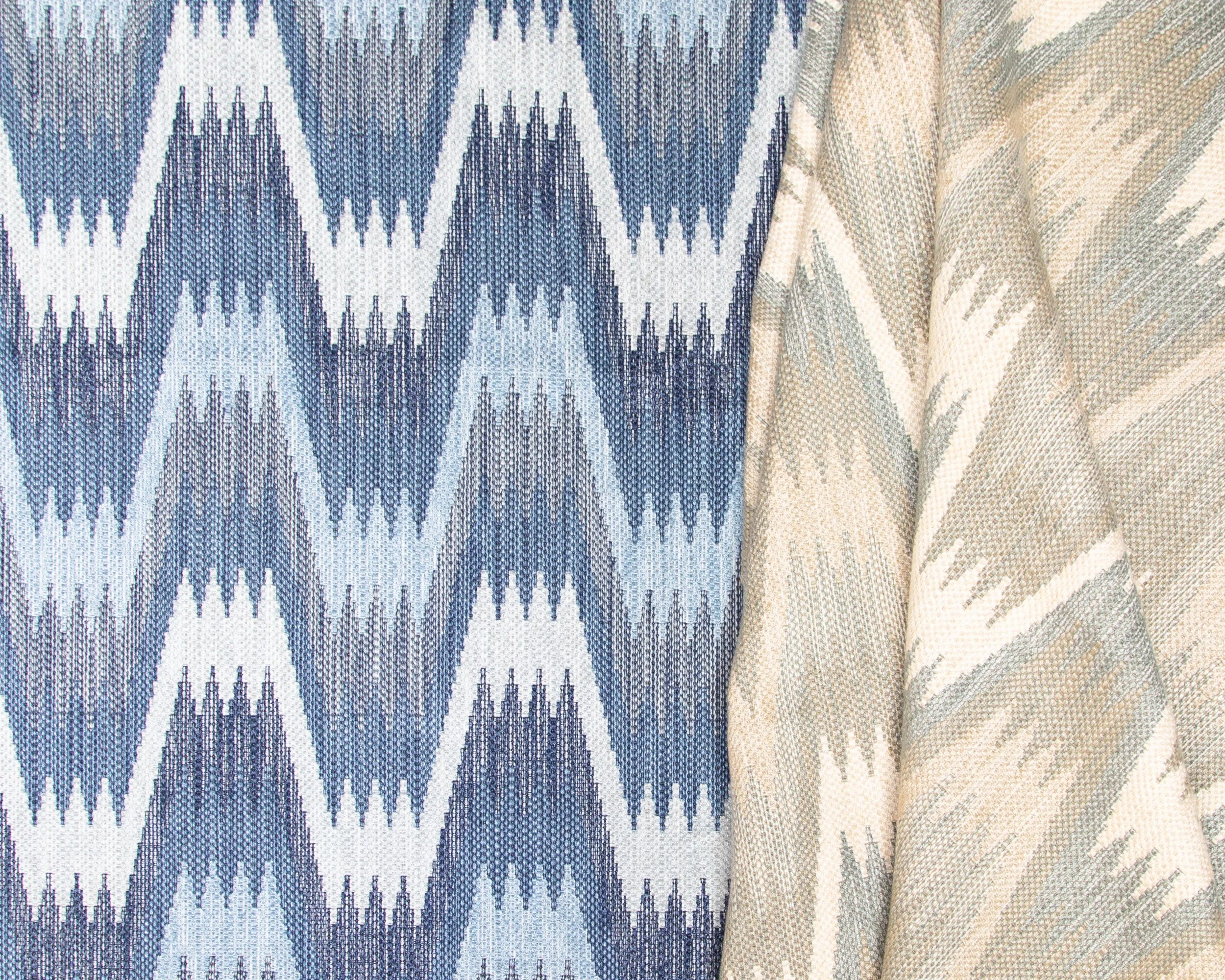
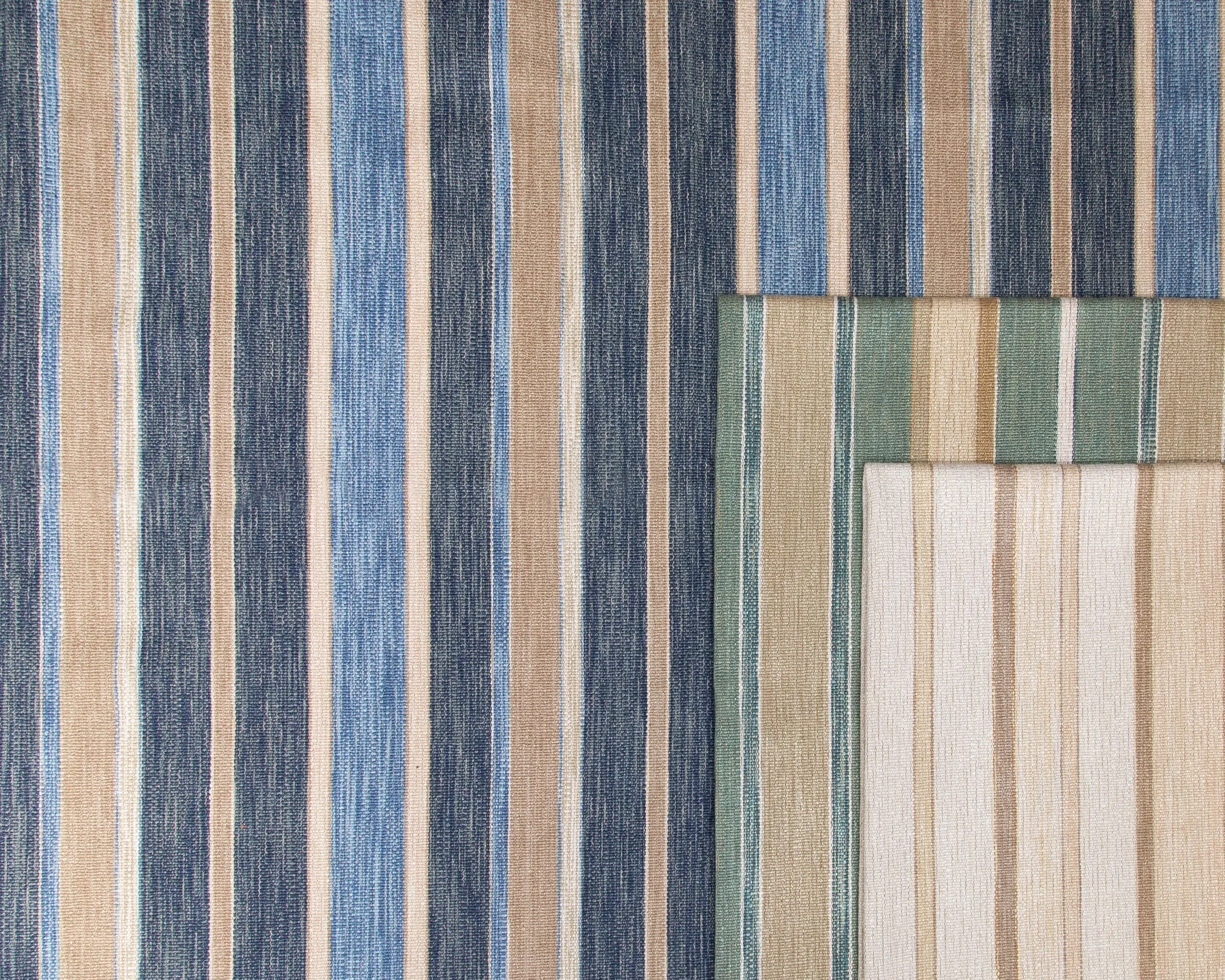
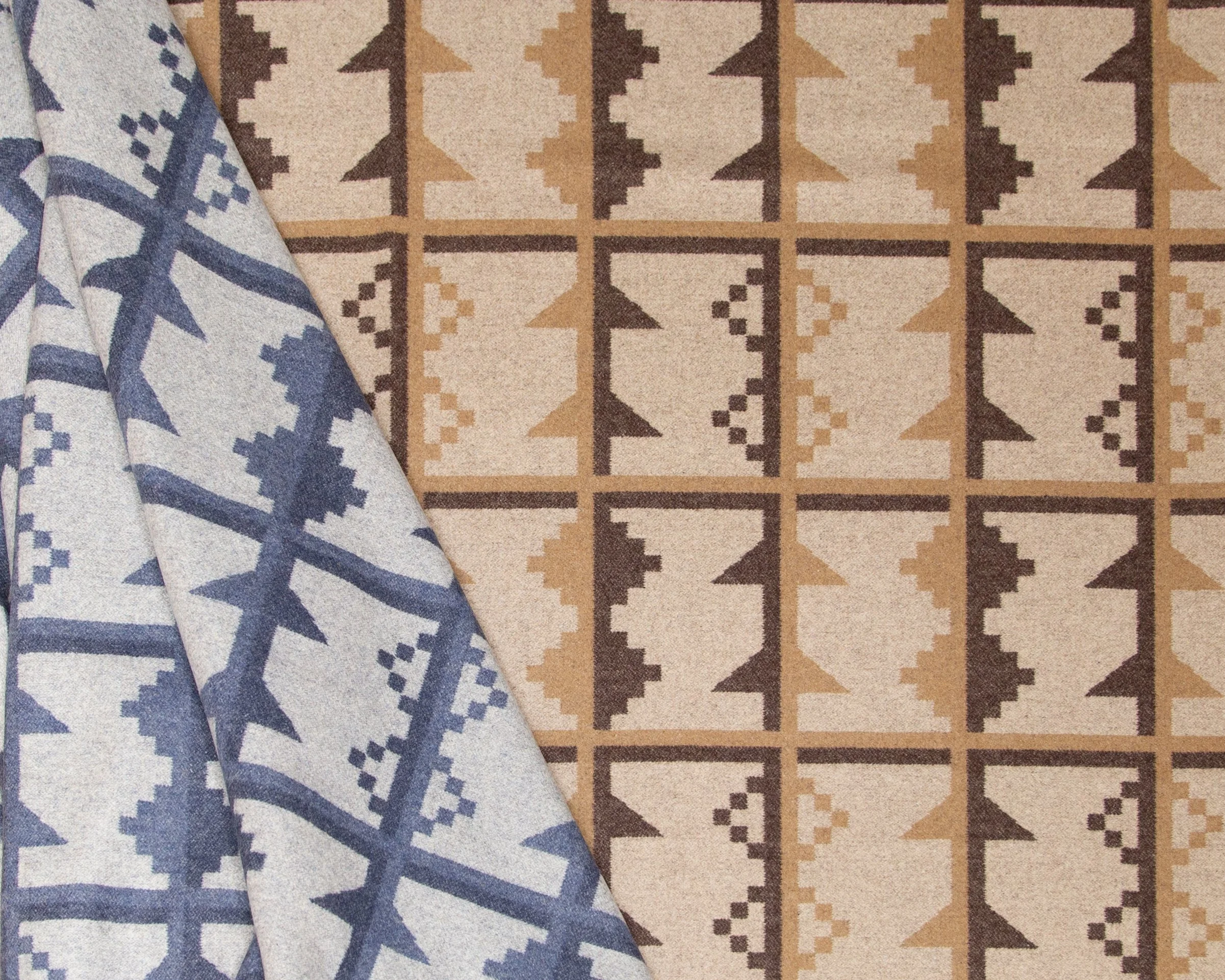
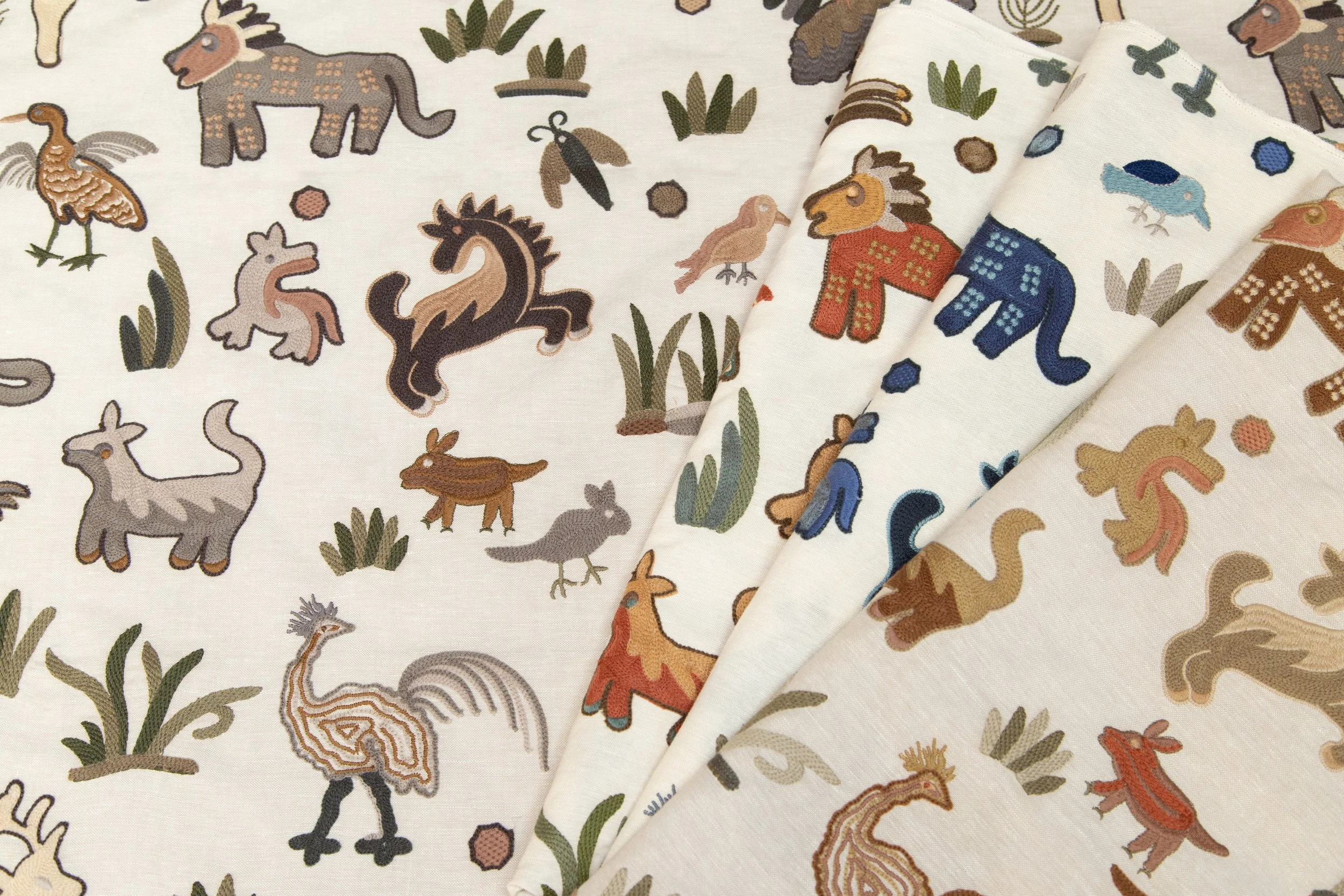
Following the visit, the selected textiles were documented and shared with Kravet’s broader design team. Over the course of two years, concepts were developed, refined, and reviewed in close collaboration with the Museum of International Folk Art. Several designs underwent revision and thoughtful amendment before receiving approval for production, reflecting a shared commitment to honoring source material while evolving inspiration forward for contemporary interiors. This iterative process underscores a core principle of the licensing partnership: design excellence must be matched by cultural respect and curatorial rigor.
The final collection draws inspiration from textile traditions and making practices from regions as diverse as New Mexico, Nepal, Sweden, parts of Africa, and Pakistan. While the source material spans four continents, the collection reveals a set of shared visual grammars that transcend geography. Many of these motifs emerged directly from process—shaped by the constraints and possibilities of narrow-loom weaving, embroidery, felting, and hand construction. These making traditions produced patterns that are at once practical and poetic, universal in structure yet deeply specific in expression.
What ultimately distinguishes each textile is the presence of the maker. Each source work carries the imprint of an individual artisan’s hand, cultural inheritance, and lived experience. This human dimension—embedded in material, method, and motif—anchors the collection in authenticity while inviting reinterpretation through contemporary design language.
Reimagined through the rich earth tones and tactile sensibilities of the American Southwest, the Folk Art Collection reflects a dialogue between global traditions and regional material intelligence. The palette and textures are informed by the landscapes of the Southwest—its grasses and plants, rock formations and skies, vernacular architecture and earthen surfaces. The result is a collection that feels grounded, warm, and materially expressive, translating cultural heritage into textiles designed for modern living.